





For the past decade, DFND, a Berry Compliant performance company has focused on supporting those who protect us. U.S. active-duty military personnel are among the most highly conditioned athletes in the world, but the physical demands placed on them result in high rates of musculoskeletal injuries (MSKIs) and chronic sleep deprivation. This is where DFND delivers measurable impact.
Through our proprietary, patented graduated compression technology and Recovery IR Sleepwear, DFND helps improve recovery, reduce injury risk, and enhance sleep quality for the modern warrior athlete. Since implementing DFND compression solutions, MSKI rates have been reduced by as much as 30%.
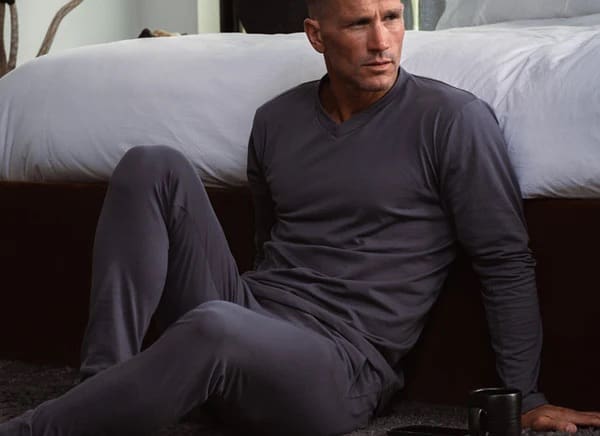
Our Recovery IR Sleepwear technology works naturally with the body’s recovery processes by helping regulate body temperature — one of the key drivers of restorative sleep and physical recovery.
Over the last several years, the Army’s Holistic Health and Fitness (H2F) program has become the gold standard for comprehensive soldier readiness and recovery. H2F demonstrates the Army’s commitment to taking care of its men and women by prioritizing injury prevention, recovery, sleep, and long-term performance optimization.
DFND aligns directly with this mission.
The MSKI Crisis in the Military
Musculoskeletal injuries remain the leading cause of medical visits and limited-duty days across the U.S. military.
• Service members experience approximately 25 million limited-duty days annually due to MSKIs.
• MSKIs significantly reduce combat readiness and cost the Department of Defense billions of dollars every year.
• Across U.S., Canadian, and British Armed Forces, MSKI rates range from 40–76%, with repetitive lower-body injuries being the most common.
In a study conducted within a U.S. Special Forces unit:
• 98% of soldiers reported reduced calf soreness and cramping while wearing DFND compression socks.
• 98% reported reduced swelling and soreness the following day after wearing recovery compression tights.
• 92% experienced partial or complete soreness reduction overall.
Graduated compression has also been shown to help reduce:
• Shin splints
• Achilles tendinitis
• Lower-leg pain from prolonged standing
• Fatigue associated with strenuous activity
Sleep & MSKI Risk
The Dose-Response Relationship
Sleep deprivation dramatically increases injury risk among warfighters.
A study involving 7,576 U.S. Army Special Operations soldiers found that soldiers sleeping four hours or less per night were 2.35 times more likely to suffer an MSKI compared to those sleeping eight or more hours.
Additional systematic reviews found:
• Lower sleep duration was consistently associated with musculoskeletal symptoms over both short-term and long-term periods.
• Poor sleep quality independently increased current MSKI risk among U.S. Army Rangers, even after controlling for age.
Why Sleep Deprivation Drives Injury
Insufficient sleep directly impacts physical performance and recovery by:
• Reducing muscle strength
• Slowing muscle repair
• Decreasing endurance
• Impairing cognitive function and reaction time
Research has also shown that short-term sleep deprivation can reduce testosterone levels by 25–30%, limiting the body’s ability to repair tissue and recover from physical stress.
When reduced sleep is combined with increased training demands, the likelihood of muscle injury rises significantly due to accumulated fatigue and decreased recovery capacity.
The Scope of the Problem
• MSK injuries result in more than 2 million medical encounters annually
• They account for approximately 10–12 million limited-duty days
• Only 1 in 3 active-duty soldiers consistently receives adequate sleep
Compression recovery systems and quality sleep work best together:
• Compression supports passive recovery during rest periods
• Sleep amplifies the body’s natural repair and regeneration processes
Together, they create a powerful injury-prevention and recovery strategy.
The Financial Impact of MSKIs
MSKIs are not only a readiness issue — they are also a massive financial burden.
When a soldier is injured and unable to complete training, the Army loses its entire investment in recruiting, training, and development.
For example:
• A stress fracture during Basic Combat Training can cost the government $50,000+ per soldier with no operational return.
• Non-combat MSKIs cost the U.S. military more than $3.7 billion annually.
• In one year alone, the Army spent $434 million in direct medical costs treating MSKIs.
Embedding injury-prevention specialists into Initial Entry Training programs has already reduced sunk training costs by as much as $20 million annually simply by preventing MSK-related attrition.
Long-Term Consequences
The long-term effects of MSKIs extend far beyond initial injury:
• MSKIs contributed to nearly 70% of Army medical disability discharges
• More than 90% of disability discharges among first-year enlisted soldiers from 2010–2015 were MSKI-related
• MSKI disabilities account for 44% of all service-connected disabilities among compensated Global War on Terrorism veterans
Why DFND Matters
DFND exists to improve readiness, recovery, and resilience for the warrior athlete.
Our technologies support the exact priorities the military is now emphasizing through programs like H2F:
• Injury prevention
• Recovery optimization
• Improved sleep
• Enhanced performance
• Reduced medical costs
• Increased force readiness
By combining patented graduated compression with advanced IR recovery sleepwear, DFND delivers a scalable, non-invasive, and performance-driven solution to one of the military’s most expensive and persistent problems.
Read the full article here
